Technical Articles
Electrical systems can face varying problems. Sometimes the problem begins with:
Even a small fault can turn into expensive equipment damage within seconds if protection devices do not respond quickly. This is exactly why circuit protection matters so much. It is also where you would want to learn the difference between MCB and MCCB.
MCBs and MCCBs are both designed to disconnect faulty electrical circuits automatically, but they are not built for the same kind of work. At first glance, they may look similar inside a distribution panel. In reality, their operating capacity, application areas, and protection capabilities are very different.
Think about a residential lighting circuit compared to an industrial motor feeder running continuously under heavy load. The protection requirements are completely different. Understanding the difference between MCB and MCCB helps users choose safer and more suitable protection systems.
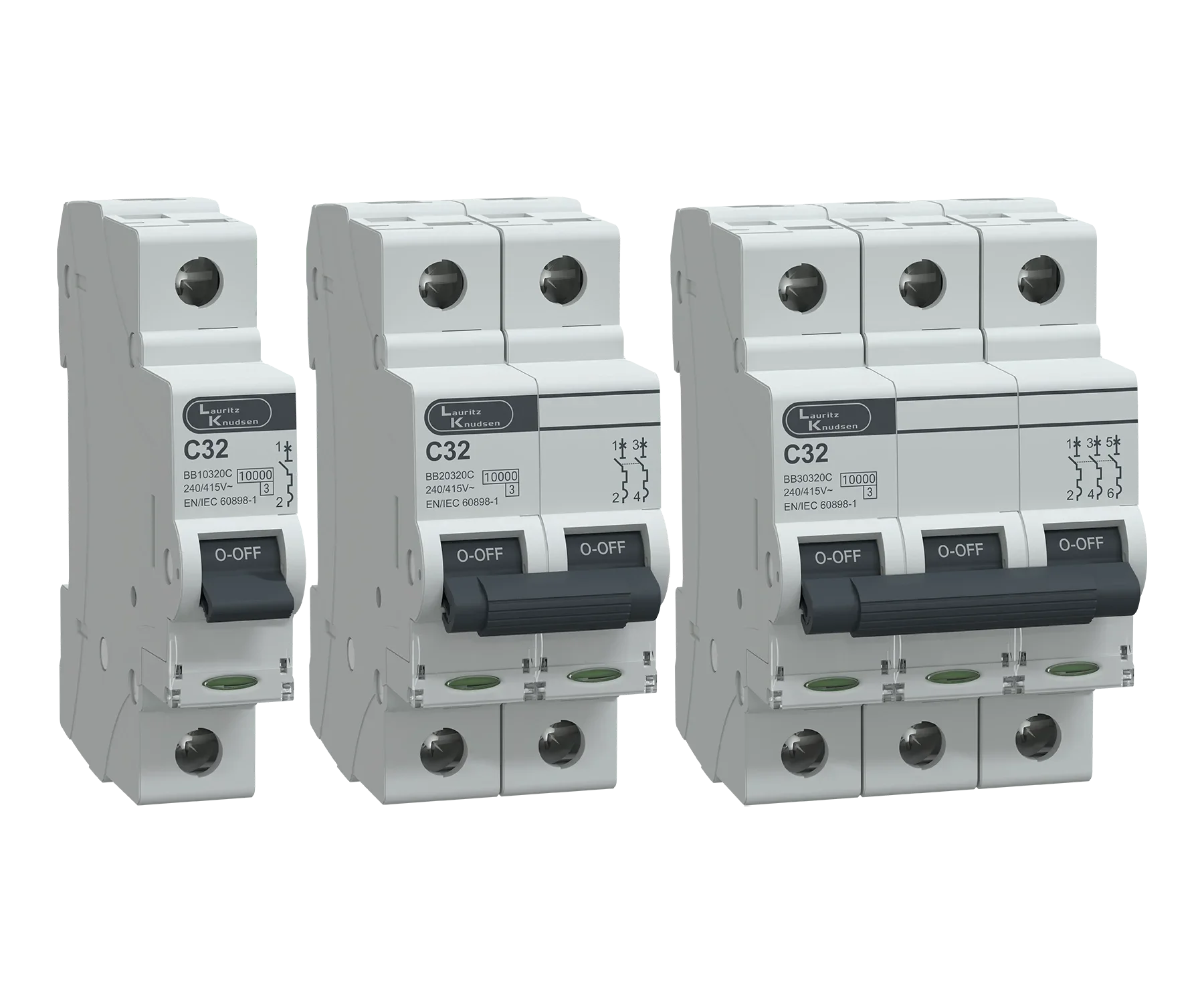
An MCB (Miniature Circuit Breaker) is a compact low-voltage protection device. It is mainly used in homes, offices, shops, and smaller commercial electrical installations.
The purpose of an MCB is simple. It interrupts the electrical supply before the wiring system overheats or connected equipment becomes damaged whenever current rises beyond safe operating limits because of overload or short-circuit conditions.
One reason MCBs became so common is convenience. Older fuse systems needed replacement after faults. MCBs, meanwhile, can generally be reset once the issue is corrected. This makes electrical maintenance easier and quicker during daily operation.
MCBs are specifically designed for comparatively lower current applications. They are compact, practical, and space-efficient for residential and commercial distribution boards.
An MCCB, or Moulded Case Circuit Breaker, is a heavier-duty protection device developed for larger electrical systems carrying higher current and fault levels.
Unlike compact residential breakers, MCCBs are designed for industrial and commercial environments where electrical demand changes constantly throughout operation. They are commonly installed in manufacturing plants, infrastructure projects, large HVAC systems, motor feeders, and industrial power distribution panels.
A major advantage of MCCBs is adjustable protection capability. Engineers can modify trip settings according to actual load conditions and fault coordination requirements inside the system. This flexibility becomes extremely important in larger electrical networks.
Both devices perform circuit protection. However, their design capability and operating environment are very different. Understanding what is the difference between MCB and MCCB becomes much easier when you compare how each breaker behaves under practical operating conditions.
MCBs are generally suitable for lower current applications used in homes and smaller commercial installations. MCBs are typically used up to around 100–125 A, with comparatively lower breaking capacities. MCCBs, however, are designed for significantly higher current loads found in industrial systems. MCCBs can handle currents from around 100 A to several thousand amperes depending on the application and design requirement. Large machinery, motor feeders, and heavy commercial equipment require the stronger current-handling capability provided by MCCBs during continuous operation.
MCBs usually operate with fixed tripping characteristics determined during manufacturing. Their settings normally remain unchanged throughout operation. MCBs are commonly available with predefined trip characteristics such as Type B, Type C, and Type D curves depending on how quickly they respond during overload or short-circuit conditions. MCCBs provide adjustable overload and short-circuit settings. Unlike MCBs, MCCBs allow adjustable tripping parameters, which improves protection coordination and selectivity in industrial systems with varying load conditions and motor inrush currents. In reality, this flexibility allows engineers to coordinate protection more accurately inside industrial systems where operating conditions vary regularly.
When you compare MCB and MCCB, breaking capacity becomes a significant aspect. Breaking capacity refers to the maximum fault current a breaker can safely interrupt during abnormal electrical conditions. MCBs are designed for comparatively lower fault current levels, typically with interruption capacities around 6–10 kA in standard applications, although specialised variants may support higher levels. Residential and smaller commercial systems generally experience lower fault currents. MCCBs, meanwhile, are engineered for much higher interruption capability, commonly ranging from 25 kA to 100 kA or more depending on industrial application requirements. This makes MCCBs far more suitable for industrial distribution systems and infrastructure projects handling high fault energy conditions.
When delving into MCB vs MCCB comparison, physical construction is essential to understand. MCBs are smaller and more compact. This is because they protect comparatively lighter electrical circuits inside residential and commercial panels. MCCBs use larger contacts, stronger insulation systems, and heavier construction to manage higher electrical stress safely. Industrial systems generate far greater fault energy, so protection devices naturally require stronger mechanical design.
The overall MCB vs MCCB comparison usually comes down to where the breaker operates daily. MCBs are commonly installed in apartments, offices, retail stores, and smaller buildings. MCCBs are generally used in factories, processing plants, infrastructure projects, and larger commercial facilities handling heavy electrical loads continuously.
If you carefully compare MCB and MCCB based on interruption capability, protection flexibility, and operating environment, the distinction becomes much clearer. Choosing the correct breaker ultimately improves safety, equipment protection, and long-term system performance.
Learn the difference between MCB and MCCB based on current rating, breaking capacity, applications, and protection features for residential and industrial electrical systems. Reading technical specifications rarely help.
MCBs are commonly used as they are reliable, compact, and cost-effective. They are very useful for ordinary electrical installations in which the fault level is moderate.
MCBs are typically found in houses as circuit protection to prevent air conditioning, kitchen appliances, socket outlets, and lighting circuits from becoming overloaded or shorted out. The compact size, low voltage protection and ease of maintenance and operation makes Lauritz Knudsen AU-MCB and Exora-MCB products ideal for installation in residential electrical panels.
Shops, offices, clinics, and smaller commercial spaces also rely heavily on MCB protection systems for everyday electrical safety. These environments usually operate with moderate electrical loads and compact distribution boards. MCBs provide reliable protection without occupying excessive installation space inside electrical panels.
Smaller heating, ventilation, and air-conditioning systems often use MCBs for protecting compressors, blowers, and associated electrical circuits during overload conditions. However, MCBs mainly provide basic circuit and wiring protection. Dedicated motor protection devices or MCCBs are generally preferred where more reliable motor protection, adjustable settings, phase loss protection, and thermal coordination are required. Stable protection improves equipment life significantly by preventing repeated overheating and electrical stress inside HVAC installations.
Inverter systems and residential backup arrangements frequently use MCBs for circuit isolation and low-voltage fault protection. Their compact construction and quick reset capability make them suitable for modern home electrical systems requiring dependable operational safety and controlled distribution management.
MCCBs are designed for demanding electrical environments where larger loads, higher fault currents, and stronger protection coordination become necessary for reliable operation.
Factories, manufacturing plants, and processing facilities commonly use MCCBs for feeder protection and industrial power distribution systems. Lauritz Knudsen DZ, DN, and DY MCCB ranges are designed specifically for such environments where high fault interruption capability and dependable electrical protection are essential.
Industrial motors operating compressors, conveyors, pumps, and heavy machinery require stronger protection than compact breakers can usually provide. MCCBs help protect these systems from overloads, short circuits, and abnormal operating conditions while supporting reliable industrial performance. Their adjustable trip settings also help accommodate motor starting currents and improve protection coordination across industrial distribution systems.
Large malls, hospitals, airports, hotels, and infrastructure projects often install MCCBs within main distribution panels handling substantial electrical loads. Adjustable protection settings improve coordination across multiple distribution sections, helping maintain safer and more stable operation throughout the facility.
Large HVAC plants and utility distribution systems frequently use MCCBs because electrical demand changes continuously during operation. Their stronger construction and adjustable protection capability help manage fluctuating load conditions more effectively inside critical building infrastructure systems.
Also Read: Air Circuit Breaker vs. Molded Case Circuit Breaker (MCCB): Key Differences
Electrical protection devices may appear similar externally, but their operating capabilities can differ significantly depending on system requirements. Understanding the difference between MCB and MCCB helps ensure safer electrical design, improved fault management, and better operational reliability.
MCBs are highly suitable for residential and smaller commercial installations where electrical loads remain moderate. MCCBs, meanwhile, are specifically developed for industrial and infrastructure systems involving larger currents, stronger fault levels, and more demanding operational conditions.
Lauritz Knudsen Electrical & Automation offers dependable electrical protection solutions through AU-MCB, Exora-MCB, DZ MCCB, DN MCCB, and DY MCCB ranges designed for residential, commercial, and industrial applications.
Yes. Many industrial and commercial installations use both devices together for layered protection across different distribution sections and electrical load categories.
MCCBs use stronger construction, larger interruption capacity, and adjustable protection mechanisms, making them more suitable for heavy industrial operating conditions.
Usually yes. Adjustable protection settings should be configured carefully according to actual load conditions and system coordination requirements inside industrial installations.
Small motors may use MCBs, but larger industrial motors generally require MCCBs or specialised motor protection devices for safer operation.
Absolutely. Incorrect protection devices may allow overheating, delayed fault interruption, nuisance tripping, or unsafe operating conditions affecting long-term equipment reliability

Rajesh R Shirodkar,
DGM-Corporate CommunicationRajesh Shirodkar is a seasoned marketing and business leader with over 20 years of experience in the automation and electrical industry, spanning marketing communications, sales, business development, and software solution selling. He has led successful brand transformation initiatives and high-impact marketing programs, including branding and account-based marketing campaigns, as well as industry events that drive visibility, engagement, and growth. With expertise in brand building, lead generation, solution selling, and sales enablement, Rajesh is known for translating technology and business offerings into compelling value propositions and delivering sustainable growth through strong stakeholder collaboration.
Assistance Required?
Select an option to Contact Us

 Contact Us

