Technical Articles
You know that slightly strange feeling when you walk into a house, and the lights turn on before you even touch a switch? Or when someone casually says, “I turned off the geyser from my office”? For many Indians, smart homes still sound futuristic. A bit luxurious. Maybe even unnecessary.
But slowly, the curiosity is growing. People aren’t just asking if they should automate their homes. They are asking how much it will actually cost. And the answer is a bit complicated. Not confusing. Just layered. This is because automation isn’t one single product you buy. It’s more like building a system around your habits. Some start small. Some go all in. So, before we talk numbers, it makes sense to understand what this whole idea really means.
What is Smart Home Automation
If you stop someone mid-conversation and ask what is smart home automation, chances are they will mention voice assistants or phone apps. That’s fair. Those are visible parts. But automation is less about gadgets and more about behaviour.
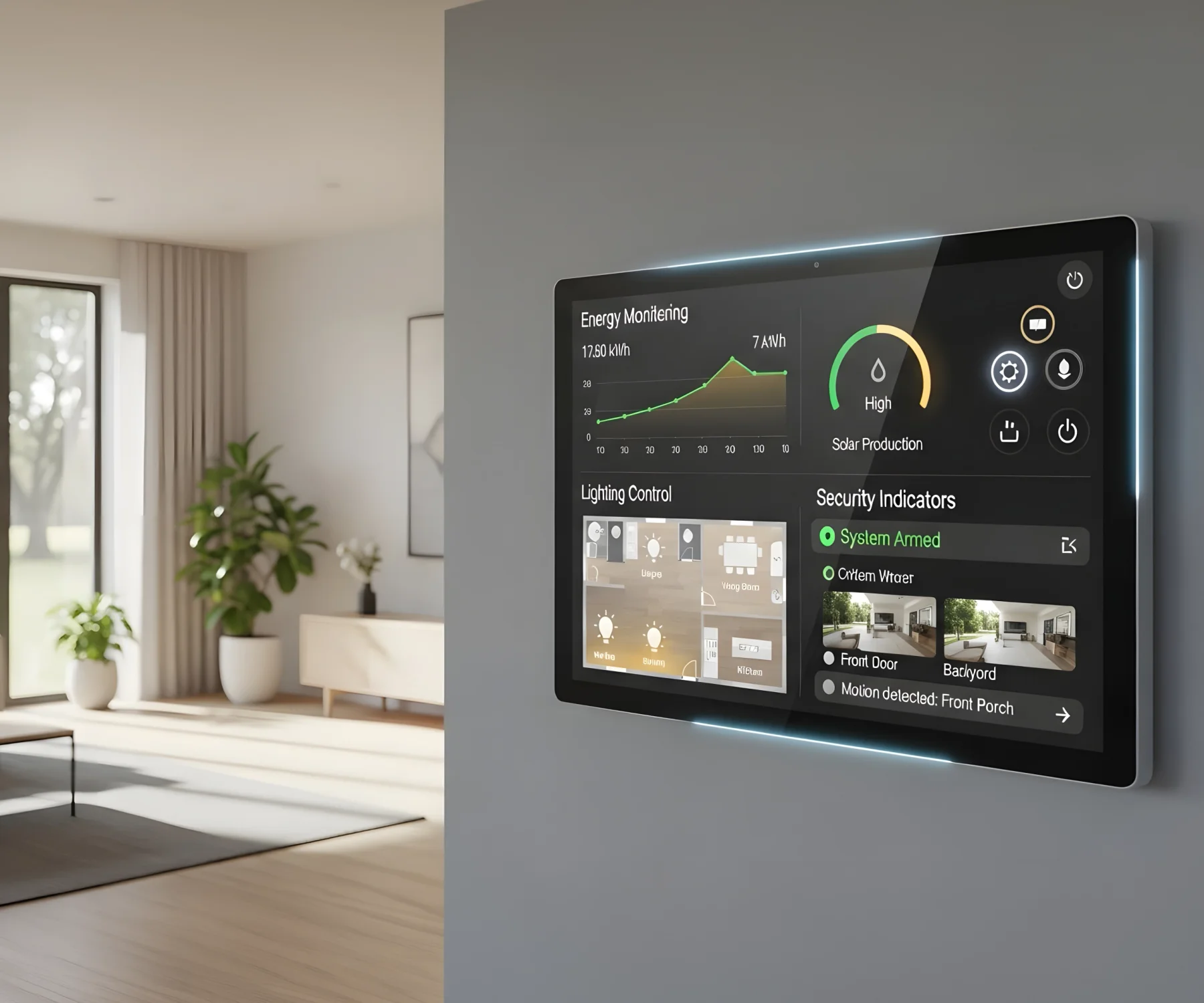
A smart home automation system connects electrical devices so they respond automatically or remotely. Lights, fans, ACs, and door locks- they begin functioning in coordination. Almost like they have been trained. Interestingly, the real objective of smart home automation is not to impress guests. It’s to reduce effort. To save time. Sometimes, even to prevent mistakes.
Think about leaving home in a rush. Did you switch everything off? Automation removes that doubt. Over time, people realise what is smart home automation is simply about homes becoming slightly more aware of daily routines. Quietly helpful. Not dramatic. Just practical.
How Does Smart Home Automation Work
The question how does smart home automation work sounds technical. Honestly, it isn’t that mysterious. Devices follow instructions. Sensors observe movement. Networks carry signals. Once these elements start interacting, automation begins to feel less like advanced engineering and more like organised coordination happening behind the scenes.
Inside a smart home automation system, devices stay connected through wireless protocols or structured wiring. This connection allows them to send tiny signals constantly. A motion sensor detects presence. A controller processes that input. A light responds. When people try to understand how does smart home automation work, this silent communication loop is usually the missing piece.
Automation rules are built around habits. Morning alarms can trigger curtain motors. Night schedules can shut down appliances. During smart home automation installation, these routines are customised carefully. This is where the larger objective of smart home automation begins turning into real-life convenience rather than just technical capability.
Modern setups allow homeowners to monitor devices from anywhere. Some systems even adapt gradually. Cooling cycles adjust. Lighting patterns change. Behaviour gets refined. So when someone again asks how does smart home automation work, the honest answer is- it works through observation, response, and continuous adjustment over time.
Benefits of Smart Home Automation
When discussing the benefits of smart home automation, people often imagine luxury first. Automated curtains. Mood lighting. Voice-controlled everything. But after living with automation for a while, homeowners begin noticing deeper advantages- reduced worry, smoother routines, and better control over electricity consumption.
Automation prevents unnecessary usage. Fans don’t run endlessly. Lights dim or switch off based on presence. Over months, electricity bills reflect this efficiency. Among the practical benefits of smart home automation, this quiet reduction in wastage often becomes the most appreciated outcome.
Security alerts, smart locks, and surveillance notifications offer reassurance. Even while travelling, homeowners stay connected to their property. Discussions around the benefits of smart home automation frequently highlight this sense of awareness- not constant fear, but confident monitoring.
Some comforts are subtle. Pre-cooled rooms. Gentle lighting transitions. Background music follows you across spaces. These personalised experiences represent engaging smart home automation applications. Over time, comfort stops feeling like a feature and starts feeling like a standard expectation.
Smart Home Automation Applications
The world of smart home automation applications is surprisingly flexible. Different households prioritise different features. Some want better security. Others want convenience. A few focus entirely on entertainment. What’s common is that most automation journeys begin with one small upgrade.
Lighting automation remains the entry point for many homes. Scheduled switching, dimming controls, and remote access bring immediate usability improvements. During smart home automation installation, this area is often implemented first. These basic smart home automation applications allow homeowners to experience automation benefits without an overwhelming investment.
Smart thermostats and automated cooling solutions maintain consistent indoor comfort. When integrated within a smart home automation system, these features also support the broader objective of smart home automation- optimised living with minimal manual adjustments.
Entertainment automation introduces fun into the equation. Voice commands manage playlists. Screens adjust brightness automatically. Scene settings transform living rooms instantly. Such immersive smart home automation applications often shift homeowner perception from curiosity to genuine enthusiasm.
Factors Affecting the Cost of Smart Home Automation in India
Cost conversations become easier once the influencing factors are clear. Automation pricing isn’t random. It responds to design complexity, technology selection, and long-term expectations. Understanding these elements helps homeowners plan realistically instead of relying on rough estimates.
Larger homes need more sensors, switches, and controllers. Multi-level layouts require detailed planning during smart home automation installation. Naturally, this increases both material and labour costs.
Some setups automate only essential lighting. Others integrate security, climate, and entertainment fully. The sophistication of the smart home automation system plays a major role in overall budgeting decisions.
Wireless automation offers quicker deployment and flexibility. Wired infrastructure provides stability and future scalability. When homeowners revisit what is smart home automation, they often realise that system architecture influences long-term expenses significantly.
Reliable brands bring smoother interfaces and longer device life. Cheaper alternatives reduce upfront spending but may limit expansion. Evaluating the real benefits of smart home automation helps in making balanced technology investments.
Custom scenes, advanced integrations, and voice ecosystems add programming complexity. Once again, reflecting on what is smart home automation reveals that personalised automation naturally affects pricing flexibility.
Automation systems evolve with updates and new device additions. Homeowners who truly understand the lasting benefits of smart home automation often budget for maintenance as part of sustaining convenience.
The cost of smart home automation in India varies anywhere between INR 15,000 and INR 15,00,000. Your home size, devices included, and features play a significant role in deciding the total cost.
Also Read: Safety Tips For Installing And Using Switches And Sockets
Conclusion
Smart home automation costs in India can vary from simple upgrades to comprehensive lifestyle transformations. The investment depends less on technology trends and more on personal priorities. With gradual planning and realistic expectations, automation can shift from being a luxury concept to an everyday practical upgrade.
Smart home automation is a process that requires careful planning and consideration to get all the devices that you use in your routine. Its cost in India varies depending on various factors. However, the most important point to remember is to get each device from a reliable brand like Lauritz Knudsen Electrical & Automation. It is your one-stop destination to buy all the elements of a smart home automation system at competitive prices.
FAQs
Q. What is the average smart home automation cost in India?
Basic setups may start around INR 20,000. On the other hand, full-home automation can exceed even INR 15,00,000. It depends on your home’s size and the devices you choose to be included.
Q. Can old homes adopt automation easily?
Yes, old homes can easily adapt to automation. Wireless solutions make retrofitting possible without major civil changes.
Q. Is automation difficult to maintain?
Most systems require minimal maintenance. They only need updates and occasional device servicing.
Q. Does automation really save electricity?
Yes, home automation systems significantly help save electricity. Scheduled operations and sensor-based control help reduce wastage.
Q. Can automation be expanded later?
Modern systems are scalable. They allow homeowners to add features gradually. You can add devices in the future to make it more efficient.
Assistance Required?
Select an option to Contact Us

 Contact Us

